Braille: A Typeface for Connection and Creative Expression
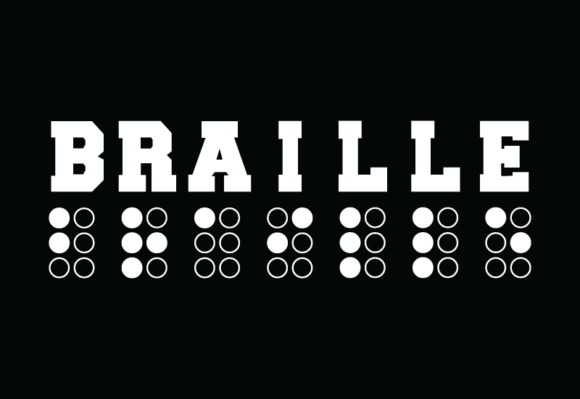
Imagine a typeface that does more than just display words—it embodies a philosophy of universal access and tactile connection. The Braille font offers designers a unique visual language rooted in the pioneering writing system for the blind and visually impaired. This premium font brings a distinct, textured aesthetic to creative projects, transforming ordinary text into a powerful statement about communication and inclusion.
Unlike a standard serif font or a flowing script font, a Braille typeface is built from a grid of raised dots. This gives it an inherently modern, geometric, and almost architectural feel. Its strength lies in its ability to evoke curiosity and add a layer of meaningful depth to a design. When used thoughtfully, it can make a brand identity or social media graphic feel more thoughtful, innovative, and globally conscious.
Creative Applications for the Braille Font
This creative font shines in projects where texture, symbolism, and a contemporary edge are desired. Its unique character makes it a versatile tool for a range of design assets:
- Logo & Brand Identity: Use the Braille typeface for a tech company, educational platform, or accessibility-focused brand to instantly communicate values of innovation and inclusivity.
- Editorial & Poster Design: Create striking headlines or pull quotes in magazines, book covers, or event posters. The dotted pattern adds visual interest and a modern typography twist.
- Packaging & Merchandise: Apply it to product labels, shopping bags, or apparel for a tactile, artisanal quality that stands out on the shelf.
- Web & Social Media Graphics: As a display font, it’s perfect for hero section titles, impactful Instagram quotes, or YouTube thumbnails to grab attention with its unique texture.
- Invitations & Stationery: For weddings, galas, or corporate events, it can add an element of sophisticated, thoughtful design that sparks conversation.
Tips for Selecting and Using a Braille Typeface
Choosing the right commercial font involves more than just aesthetics. To ensure your project is polished and professional, consider these practical tips:
- Check Readability and Pairing: Due to its decorative nature, Braille works best for short bursts of text. Always pair it with a highly legible sans serif font for body copy. Test combinations to ensure visual harmony.
- Match the Project’s Mood: The font’s modern, structured look suits themes of technology, education, accessibility, and minimalist design. It may feel out of place in contexts requiring a traditional or handwritten font style.
- Review Font Styles and License: Explore if the font download includes multiple weights or styles for flexibility. Crucially, verify the license supports your intended use, whether for personal projects or commercial client work.
- Embrace Visual Consistency: Using the Braille typeface strategically across your brand’s touchpoints—from the logo to the website to social media—can strengthen brand recognition and create a cohesive, professional presentation.
Ultimately, the right typeface is a cornerstone of effective design. A well-crafted Braille font does more than fulfill a typographic need; it adds a narrative dimension, inviting viewers to consider the power of communication in all its forms. It’s a design asset that can elevate a project from simply looking good to feeling meaningful and connected.